
Korean Domestic Market (KDM) Auto Parts
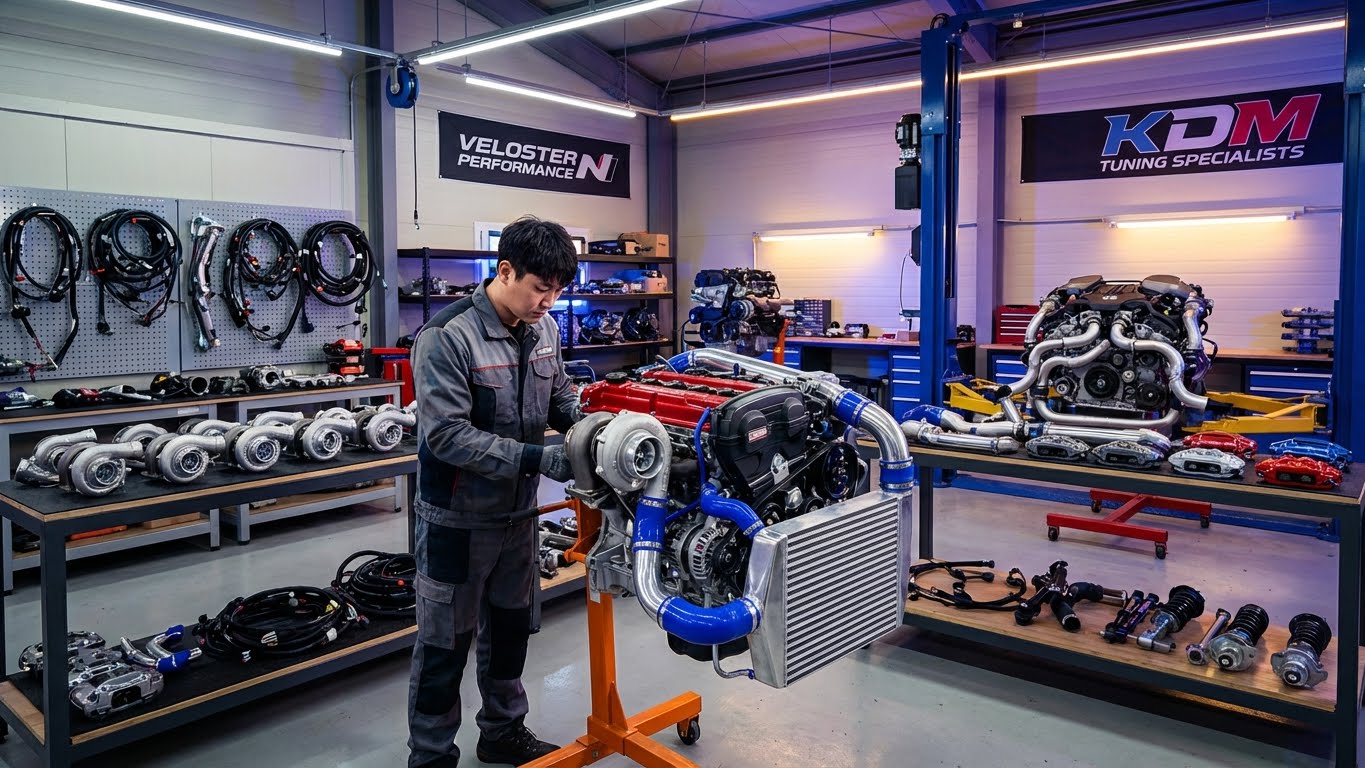
KDM Is Booming — Start Your Build Here
KDM (Korean Domestic Market) has become the talk of the town. It has moved from niche to mainstream in recent years. With Hyundai, Kia, and Genesis pushing serious engineering (think Elantra N, Kia Stinger, Genesis G70), demand for authentic KDM parts is climbing fast in the U.S.
If you’re planning a KDM engine swap, hunting OEM KDM parts, or just want a smarter repair, this guide is your starting point.
What “KDM” Actually Means
KDM refers to vehicles and components built for South Korea’s domestic market. These are OEM-manufactured parts i.e. factory pieces originally fitted to Korean-market cars. Differences can include calibrations, trim-level hardware, and region-specific options that never reached U.S. shelves.
Why Are KDM Parts In Demand?
It isnt a coincidence that you are hearing about KDM auto parts everywhere. They are certainly here to stay especially for the following reasons:
Performance Pedigree:
KDM parts have earned a strong reputation for their performance pedigree. Hyundai’s N division, exemplified by the 2025 Elantra N producing 276 horsepower and 289 lb-ft of torque, has established Korea as a serious contender in the global performance market. Kia’s Stinger 3.3T and the Genesis G70 have further reinforced this reputation, making these platforms become highly sought after for engine swaps, tuning projects, and high-performance upgrades.
Authentic Fit and Feel:
Another defining strength of KDM components is their authentic fit and feel. Because these parts are OEM-built, their geometry, materials, and tolerances precisely match the original engineering intent. KDM parts often end up outperforming broad-fit aftermarket alternatives that sacrifice precision for compatibility.
Value for Money:
KDM parts promise value. Tested and documented KDM engines and transmissions provide exceptional performance at a fraction of the cost of new OEM replacements. For enthusiasts and mechanics alike, they offer a smart balance of performance, and affordability.
Main types of KDM parts available through A2Z Auto Parts LLC
We offer a wide range of genuine KDM components, including engines, transmissions, suspension parts, electronics, and OEM replacement accessories sourced directly from trusted Korean suppliers.
Engines & Transmissions:
Low-mileage, compression-tested assemblies from Hyundai, Kia, and Genesis vehicles, including turbocharged and GDI models. Perfect for KDM engine swaps or OEM-spec replacements.
Performance Components:
Turbochargers, intercoolers, ECUs, and fuel system upgrades sourced from high-output trims like the Stinger GT and Elantra N. These deliver good performance without aftermarket risk.
Electronics & Wiring:
Genuine ECUs, harnesses, and sensors ensure accurate communication between systems, which are vital for modern swaps.
Body, Brake & Suspension Parts:
Factory-spec aero kits, lighting systems, brake assemblies, and dampers for authentic appearance and handling.
KDM vs. Aftermarket: Why OEM Origin Matters
OEM = built by the vehicle maker or its official suppliers. That typically means better tolerances, metallurgy, and long-term reliability versus broad-fit aftermarket pieces. For mission-critical parts (engines, transmissions, ECUs), OEM origin is the safer play.
How We (A2Z Auto Parts LLC) Handle KDM
Source:
Verified Korean suppliers and auctions ensure authentic KDM origin.
Test:
Engines and transmissions get compression/leak checks; electronics are inspected and documented.
Document:
You get clear photos, part numbers, and compatibility notes.
Ship:
Fast dispatch from our Houston warehouse with freight options, insurance, and a receiving checklist.
Support:
Need help choosing? Our techs walk you through fitment and install planning.
FAQs
Are KDM parts compatible with U.S. models?
Often, yes, but verify brackets, sensors, and ECU logic per model year. Minor adaptations are common.
Are KDM parts new or used?
We specialize in authentic, used OEM KDM parts. These are factory-built components with testing and documentation.
Which KDM platforms are most popular for swaps?
Stinger (2.5T/3.3T), Genesis G70, and Hyundai N models lead the pack thanks to strong base hardware.